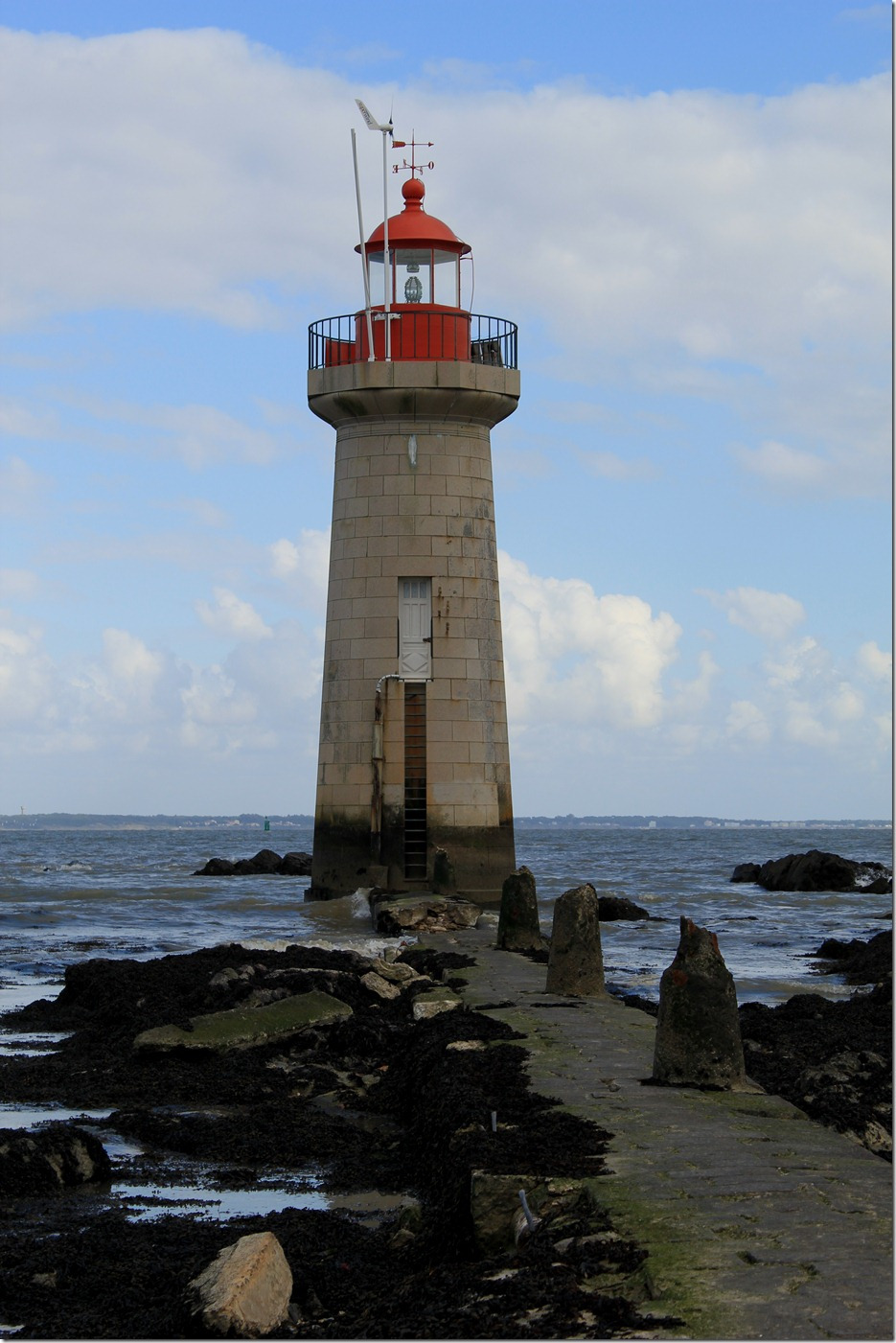
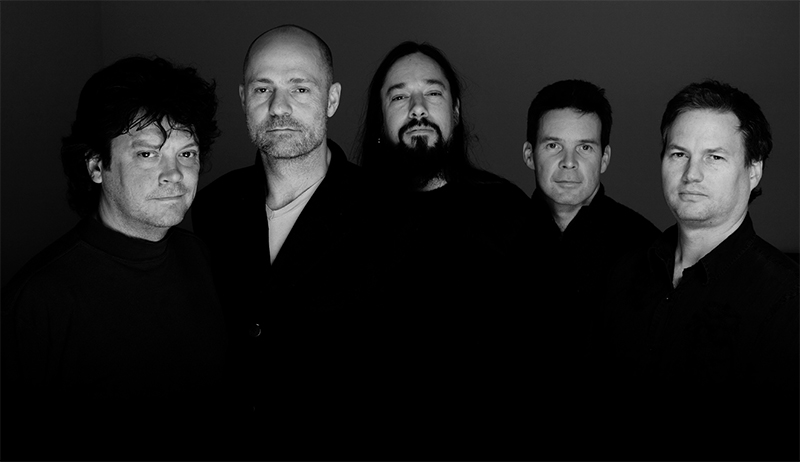
A powerful, hard-rocking recounting of a nightmare, or perhaps a vision, performed by a band that knows far more about history than any group of (then) young rockers should. I think it’s the best of this quintessentially Canadian group’s output, and it still seems quite recent to me, though horrifyingly, it’s now well over 20 years old. It’s about something that happened in 1940, and there’s no reason for you to have ever heard of the event, nor any way that researching the inspiration for this song will help you to find out, since if you look it up you’ll find people (including, amazingly, beloved and sadly departed band member Gord Downie himself) saying it’s about the sinking of the German battleship Bismarck. Yet it simply can’t be, the historical facts don’t even remotely fit the song’s narrative, and more than that, the narrative does fit perfectly a disaster that indeed happened just off the coast of France within sight of the rocky shore (Bismarck was well out to sea when sunk), and the lighthouse at St. Nazaire.
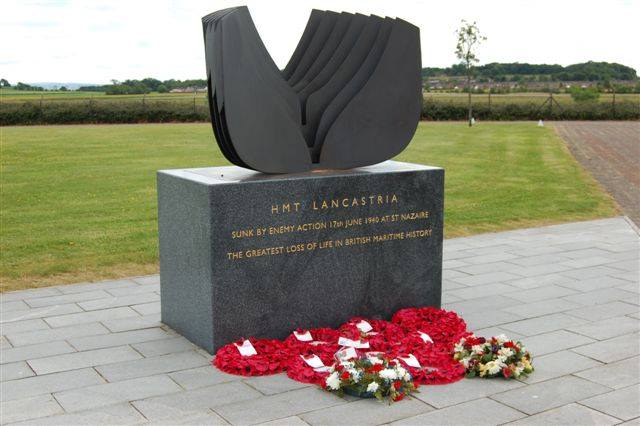
In 1940, the Germans overran France with a speed and facility that was, at the time, stunning. The Germans called it Blitzkreig, “lightning war”; we call it “maneuver warfare” today, and it’s now the manner in which all highly mobile armoured forces, accompanied by mechanized infantry and supported by air power, go about their vicious business. As the vice tightened, Allied forces scrambled to abandon the Continent, and while many are familiar with the events at Dunkirk, especially following Chris Nolan’s epic movie, lost to the public consciousness is the sinking of the Lancastria, a singular tragedy amidst the general withdrawal of British forces from France in the teeth of the Nazi onslaught.
The Lancastria, a large ocean liner pressed into military service, was part of an ongoing effort to evacuate British personnel and civilians under Operation Aerial, which continued for weeks after the Dunkirk sealift. Her ordinary capacity was about 1,300 passengers, but in the emergency she was loaded up with many thousands more, providing a fat target for the German warplanes that sank her. It’s a common estimate that about 4,000 men drowned at a stroke (twice the crew of any battleship, including Bismarck, which had a complement of 2,065). Some sources claim over 5,000, even 6,000, a huge mass of people going into the water off the coast of France, metaphorically in the pocket of a lighthouse sitting amid jagged rocks on the shoreline. It was the largest nautical disaster in British maritime history.
You can read about it here:
:http://en.wikipedia.org/wiki/RMS_Lancastria
Really, what else could these lyrics be about?
I had this dream
where I relished the fray
and the screaming
filled my head all day.
It was as though
I’d been spit here,
settled in, into the pocket
of a lighthouse
on some rocky socket,
off the coast of France, dear.
One afternoon, four thousand men
died in the water here
and five hundred more were
thrashing madly
as parasites might
in your blood
This group has other songs similarly evocative of World War II, like Scared, with its imagery of damaged destroyers limping into the bay, and 50 Mission Cap, ostensibly about the last time the Leafs won the Stanley Cup, which repeats a phrase that evokes a cherished rite of passage for U.S. combat pilots – when their cap became so grizzled, stained and crumpled that it was said to have a “50 mission crush” to it, the mark of a wily veteran.
Something that might seem a little unlikely: I’ve always been struck by the extent to which Nautical Disaster bears an uncanny, and I suspect quite deliberate, structural resemblance to Coleridge’s famous Kubla Khan. The classic poem, perhaps taught to the band members in high school (as it was to me) was composed while the author was in the midst of what was probably an opium-induced reverie, experiencing visions that he was busily committing to paper, when his trance was interrupted by a sudden knock on the door by someone described as a “person on business from Porlock”. The unexpected arrival hauled Coleridge back down to earth. By the time the fellow from Porlock had been dealt with, the visions had vanished – the poet was sobering up – and to Coleridge’s great regret he couldn’t get them back. Thus the abrupt change of voice for the poem’s concluding stanza, which begins “A damsel with a dulcimer in a vision once I saw”. Sadly, what he’d seen in his mind’s eye was now nothing more than a fading memory. Nautical Disaster follows exactly the same pattern: a feverish vision within a dream state, and then the sudden terrestrial interruption – not a knock on the door this time, but the phone ringing – which brings the reverie to an abrupt end, leaving only the faint but lingering memory of the dream behind after the mundane, “hi, how you doin’” conversation is over. As far as I’m aware, nobody else has ever perceived it, but to me the parallel seems too exact for mere coincidence, and perhaps not that much of a stretch; after all, Gord always was a bit of a romantic poet himself.
Since the very first time I heard this song, thoughts of lifeboats designed for 10 men, and 10 only, and paddling away from drowning comrades to the sound of fingernails scratching on the hull, have never lost their capacity to haunt.
 the needlefish